-
ACHCEW
- COMMITTEES
-
CHCs
- Introduction to CHCs
- CHC Regulations
- How CHCs Worked
- Code of Conduct for CHC Members
- Code of Practice on Consultation
- Public Activities Material
- CHCs in Action - (Publication)
- The Politics of Consumer Representation - A Study of CHCs
- The Legal History of CHCs
- Legal - re. Closures
- Directory of CHCs + LINks >
-
Training and Skills for Members
>
- Skills for New CHC Members
- Understanding the NHS and the Role of the CHC
- Developing Skills as a CHC Member
- Links to CHCs and Charities Database
- Skills for CHC Chairs
- Other Training Documents
-
PPI Short Courses
>
- Introduction and Surveys
- Core 1 - User Involvement in Health and Social Care
- Core 2 - What does User Involvement Mean?
- Core 3 - Feeling Empowered in User Involvement
- Theme 1 - Involvement in Service Planning and Improvement
- Theme 2 - Involvement in Research and Activity
- General Units
- Link Person Handbook
-
Papers
- IN-HOUSE Staff Publications - Introduction >
- CHC Listings
- CHC News >
- CHC Public Activities Materials
- NHS Dispute - Complaint
- Presentations >
- Foundation Trust Hospitals
- GMC
- Healthwatch England
- Health Scrutiny
- House of Commons Health Committee
- ICAS
- King's Fund
- Normanton Hospital Inquiry
- PALS
- Local Involvement Networks - LINKs
-
PPI + LINks
>
- PPI Academic
- PPI in the NHS >
- Patient Empowerment >
- Public Representation of Health Bodies
- Women's Health Publications >
- Enter and View
- LINks Foundation Trusts
- Kingston Hospital + Kingston PCT LINk
- Public Involvement in the Private Finance Initiative
- Response to the Health Committee Report
- Private Hospitals
- PUBLICATIONS
- PRESS
- Cartoons
- Gallery
Introduction to CHCs
Background
Community Health Councils (CHCs) were established in 1974 as part of the re-organisation of the NHS to 'represent the interests in the health service of the public in their districts'. They were set up following a series of scandals in long-stay hospitals, and in recognition that Health Authorities could not manage hospitals and represent patients without their being a Conflict of Interest.
CHCs were seen as a link between the NHS and the community that they served, separating the management of service provision from the representation of patient and community interests.
Community Health Councils (CHCs) were established in 1974 as part of the re-organisation of the NHS to 'represent the interests in the health service of the public in their districts'. They were set up following a series of scandals in long-stay hospitals, and in recognition that Health Authorities could not manage hospitals and represent patients without their being a Conflict of Interest.
CHCs were seen as a link between the NHS and the community that they served, separating the management of service provision from the representation of patient and community interests.
Membership of CHCs
There are 204 CHCs in England and Wales. Similar bodies exist in Scotland (Health Councils) and Northern Ireland (Health and Social Services Councils).
Each CHC has between 16-30 volunteer members: half local authority nominees; a third elected by the local voluntary sector; a sixth appointed by the Secretary of State for Health (or Welsh Assembly for Welsh CHCs). In addition, the CHC can co-opt onto their Committees, people who have specialist skills or particular health related interests. Together, the CHC staff and members act as local NHS watchdogs.
There are 204 CHCs in England and Wales. Similar bodies exist in Scotland (Health Councils) and Northern Ireland (Health and Social Services Councils).
Each CHC has between 16-30 volunteer members: half local authority nominees; a third elected by the local voluntary sector; a sixth appointed by the Secretary of State for Health (or Welsh Assembly for Welsh CHCs). In addition, the CHC can co-opt onto their Committees, people who have specialist skills or particular health related interests. Together, the CHC staff and members act as local NHS watchdogs.
Roles of CHCs
The roles perfumed by CHCs include:
Over the past 37 years, CHCs have been at the forefront of ensuring that the patients' voice is heard, and their complaints listened to. Each years, CHCs assist around 30,000 people with complaints. CHCs give free, independent and confidential support. Most recently, they played a pivotal role in ensuring that Rodney Leeward, an incompetent gynaecologist, was exposed and the relatives of Dr. Harold Shipman's victims were supported.
The roles perfumed by CHCs include:
- Monitoring local service delivery
- Representing the public and providing their communities' views during consultative exercises
- Offering advice and assistance to individuals
Over the past 37 years, CHCs have been at the forefront of ensuring that the patients' voice is heard, and their complaints listened to. Each years, CHCs assist around 30,000 people with complaints. CHCs give free, independent and confidential support. Most recently, they played a pivotal role in ensuring that Rodney Leeward, an incompetent gynaecologist, was exposed and the relatives of Dr. Harold Shipman's victims were supported.
Abolition of CHCs
In July 2000, as part of the NHS Plan, the Government announced its proposal to abolish CHCs in England. The proposal was embodied in the Health and Social Care Bill.
The passage of the Health and Social Care Bill through Parliament this year, was marked by considerable controversy over the intended abolition of CHCs. The Government faced widespread opposition, both inside and outside Parliament, a range of charities and professional groups, patients' organisations all spoke out against the proposal. The Government was defeated in the Lords on the issue, and both the Conservative and Liberal democrat parties opposed the measure. There was considerable opposition on the Government's own Back Benches, - most notably from David Hinchcliffe, the Chair of the Health Select Committee.
Because of the strength of the opposition, the Government shelved the proposed abolition of CHCs, in order to allow the smooth passage of the remaining part of the Bill.
In July 2000, as part of the NHS Plan, the Government announced its proposal to abolish CHCs in England. The proposal was embodied in the Health and Social Care Bill.
The passage of the Health and Social Care Bill through Parliament this year, was marked by considerable controversy over the intended abolition of CHCs. The Government faced widespread opposition, both inside and outside Parliament, a range of charities and professional groups, patients' organisations all spoke out against the proposal. The Government was defeated in the Lords on the issue, and both the Conservative and Liberal democrat parties opposed the measure. There was considerable opposition on the Government's own Back Benches, - most notably from David Hinchcliffe, the Chair of the Health Select Committee.
Because of the strength of the opposition, the Government shelved the proposed abolition of CHCs, in order to allow the smooth passage of the remaining part of the Bill.
Proposals
The Government has returned to the issue with the launch - on 03 September - of a discussion document entitled 'Involving Patients and the Public in Healthcare'.
Point 1.5 of the document reads:
'The immediate focus of this document is the Government's intention to legislate, at the earliest opportunity, to replace Community Health Councils.'
ACHCEW - the national body for CHCs - believes that the Government's proposals are not in the best interest of patients, and has proposed that reform of CHCs, rather than abolition, would be a better way of delivering the Government's proposals.
The future of CHCs and ACHCEW, therefore remains uncertain, although they are expected to remain until at least March 2003.
The Government is expected to produce a Bill in November that will set out proposals for patient and public involvement mechanisms.
The Government has returned to the issue with the launch - on 03 September - of a discussion document entitled 'Involving Patients and the Public in Healthcare'.
Point 1.5 of the document reads:
'The immediate focus of this document is the Government's intention to legislate, at the earliest opportunity, to replace Community Health Councils.'
ACHCEW - the national body for CHCs - believes that the Government's proposals are not in the best interest of patients, and has proposed that reform of CHCs, rather than abolition, would be a better way of delivering the Government's proposals.
The future of CHCs and ACHCEW, therefore remains uncertain, although they are expected to remain until at least March 2003.
The Government is expected to produce a Bill in November that will set out proposals for patient and public involvement mechanisms.
Membership of CHCs ... 12 pages
Establishment . Composition of CHCs . Nomination Procedure . Eligibility for Membership . Balance and Background of Members . Term of Office for Members . Election of Chair and Vice Chair . Co-option . Functions of CHCs . Statutory Role . Reviewing the Local Health Service Consultation . Structure of CHCs . Council Meetings Public Session of Council Meetings . Working Groups . Role of Members of CHCs Visiting . Visiting Arrangements Frequency of Visits . Reports on Visits . Notification of Visits . Expenses . What to look for when visiting Members; Expenses . Travelling step
Establishment . Composition of CHCs . Nomination Procedure . Eligibility for Membership . Balance and Background of Members . Term of Office for Members . Election of Chair and Vice Chair . Co-option . Functions of CHCs . Statutory Role . Reviewing the Local Health Service Consultation . Structure of CHCs . Council Meetings Public Session of Council Meetings . Working Groups . Role of Members of CHCs Visiting . Visiting Arrangements Frequency of Visits . Reports on Visits . Notification of Visits . Expenses . What to look for when visiting Members; Expenses . Travelling step
|
ASSOCIATION OF COMMUNITY HEALTH COUNCILS
1974 - 2003 This site is being maintained on a voluntary basis by Polly Healy ..._________________________________________________________ Please make contact if you have any contributions or suggestions for this site. Click here ... |
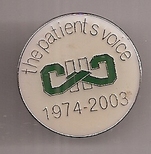
The ACHCEW Memorial Badge
|
-
ACHCEW
- COMMITTEES
-
CHCs
- Introduction to CHCs
- CHC Regulations
- How CHCs Worked
- Code of Conduct for CHC Members
- Code of Practice on Consultation
- Public Activities Material
- CHCs in Action - (Publication)
- The Politics of Consumer Representation - A Study of CHCs
- The Legal History of CHCs
- Legal - re. Closures
- Directory of CHCs + LINks >
-
Training and Skills for Members
>
- Skills for New CHC Members
- Understanding the NHS and the Role of the CHC
- Developing Skills as a CHC Member
- Links to CHCs and Charities Database
- Skills for CHC Chairs
- Other Training Documents
-
PPI Short Courses
>
- Introduction and Surveys
- Core 1 - User Involvement in Health and Social Care
- Core 2 - What does User Involvement Mean?
- Core 3 - Feeling Empowered in User Involvement
- Theme 1 - Involvement in Service Planning and Improvement
- Theme 2 - Involvement in Research and Activity
- General Units
- Link Person Handbook
-
Papers
- IN-HOUSE Staff Publications - Introduction >
- CHC Listings
- CHC News >
- CHC Public Activities Materials
- NHS Dispute - Complaint
- Presentations >
- Foundation Trust Hospitals
- GMC
- Healthwatch England
- Health Scrutiny
- House of Commons Health Committee
- ICAS
- King's Fund
- Normanton Hospital Inquiry
- PALS
- Local Involvement Networks - LINKs
-
PPI + LINks
>
- PPI Academic
- PPI in the NHS >
- Patient Empowerment >
- Public Representation of Health Bodies
- Women's Health Publications >
- Enter and View
- LINks Foundation Trusts
- Kingston Hospital + Kingston PCT LINk
- Public Involvement in the Private Finance Initiative
- Response to the Health Committee Report
- Private Hospitals
- PUBLICATIONS
- PRESS
- Cartoons
- Gallery